New to Crypto? Here's Everything You Need To Know Before You Trade
Learn the essentials of crypto trading, from choosing the best apps and securing wallets to understanding fees, avoiding scams, and managing investment risks.

Cryptocurrency has gone from a niche internet obsession to a financial phenomenon that's impossible to ignore. Between Bitcoin headlines, viral trading stories, and friends casually discussing their portfolios, it's tempting to jump right in.
However, the crypto world comes with its own rules, risks, and vocabulary. Before investing your hard-earned money, understanding a few fundamentals and downloading the best crypto trading app for beginners can help you find your way in this exciting, unpredictable market.
Crypto 101: What Exactly Are You Buying?
Cryptocurrency is a digital asset that uses cryptography to secure transactions. Unlike traditional currencies issued by governments, many cryptocurrencies operate on decentralized networks powered by blockchain technology.
Think of blockchain as a digital record book shared across thousands of computers. Every transaction gets recorded, making the system difficult to manipulate.
Bitcoin and Ethereum are two recognizable cryptocurrencies, but thousands of others exist. Each has different purposes, features, and risks. Importantly, cryptocurrency prices can fluctuate dramatically, and most crypto investments don't carry the same protections as traditional bank deposits.
Find Your Crypto Starting Point: Choosing the Right Trading App
Before buying cryptocurrency, you'll need somewhere to trade it. Finding the best crypto trading platforms means looking beyond flashy advertisements and promises of easy profits.
Prioritize platforms with straightforward interfaces, transparent fees, educational resources, and reliable security features. Some apps offer practice environments where newcomers can explore trading without risking real money.
Research each platform's reputation, supported cryptocurrencies, and withdrawal policies. A little homework now can prevent expensive headaches later.
Crypto Wallets Explained: Where Does Your Digital Money Live?
Despite the name, cryptocurrency wallets don't actually hold digital coins. Instead, they manage the cryptographic keys that control access to your assets.
Hot wallets connect to the internet, making transactions convenient. Cold wallets store keys offline, offering additional protection against online attacks.
You'll also encounter custodial wallets, where a company manages your keys, and self-custody wallets, where you're responsible for them. Whichever option you choose, protect your passwords and recovery phrases. Losing access to your wallet could mean permanently losing your cryptocurrency.
Understanding Crypto Prices: Why Does Everything Move So Fast?
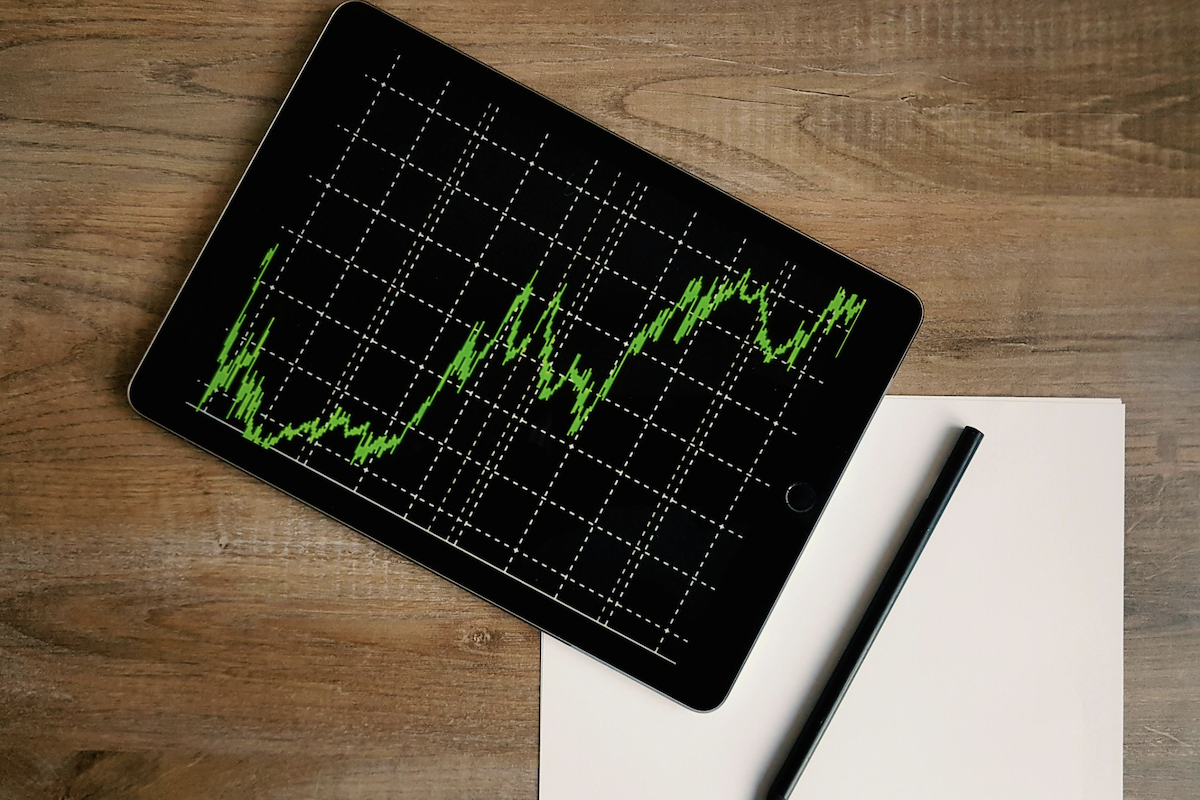
Crypto markets can feel like rollercoasters without seatbelts. Prices respond to supply and demand, investor sentiment, regulatory developments, and breaking news. A celebrity endorsement might spark excitement, while negative headlines can trigger sudden selling.
Market capitalization, calculated by multiplying a cryptocurrency's price by its circulating supply, helps indicate its overall market size. Understanding volatility before trading helps you make decisions without getting swept up in the hype.
Know Your Trading Options: Buying, Selling, and Beyond
Understanding your options is essential before clicking that buy button. Spot trading involves purchasing or selling cryptocurrency at its current market price. Market orders execute at the best available price, while limit orders let you specify the price you're willing to pay or accept.
Some investors buy cryptocurrency and hold it for years, while active traders attempt to profit from shorter-term price movements. Beginners should generally avoid complicated strategies involving leverage or margin, which can amplify losses faster than expected.
Watch Out for Fees: The Costs That Can Sneak Up on You
Trading cryptocurrency isn't always free, even when platforms advertise zero commissions. Exchanges may charge transaction fees, withdrawal fees, or spreads, which represent the difference between buying and selling prices.
These expenses might seem insignificant individually, but frequent trading can quickly make them add up. Before confirming any transaction, review the total cost, including hidden charges. Comparing platforms based on their complete fee structures helps you avoid unpleasant surprises when checking your balance.
Crypto Scams Are Real: How To Keep Your Money Safe
Unfortunately, cryptocurrency attracts scammers hoping to capitalize on inexperienced investors. Fake giveaways, phishing emails, fraudulent exchanges, and promises of guaranteed returns are common warning signs.
Protect yourself by enabling two-factor authentication, creating strong passwords, and verifying website addresses before entering sensitive information. Never share your wallet's recovery phrase, even with someone claiming to represent customer support. Remember, if an investment opportunity sounds too good to be true, there's a strong possibility it is.
Start Small, Stay Smart: Building Your First Crypto Strategy
You don't need thousands of dollars to begin exploring cryptocurrency. Start with an amount you can comfortably afford to lose, and avoid investing money reserved for rent, groceries, or emergencies. Consider diversifying your investments rather than concentrating everything in one cryptocurrency.
Set realistic expectations, establish personal trading rules, and resist making impulsive decisions when prices suddenly rise or fall. Keep accurate transaction records, too. Cryptocurrency trades can create tax obligations, even when profits aren't withdrawn into your bank account.
Your Crypto Journey Starts With Knowledge, Not Hype
Cryptocurrency trading offers opportunities to explore an evolving financial market, but preparation matters more than excitement. By understanding trading platforms, protecting your assets, recognizing scams, and managing risk, you'll be better equipped to make informed decisions.