Play-to-Earn Meets Casino Culture - What NFT Holders Actually Receive
NFT gaming borrows casino-style incentives but delivers transparent, community-driven rewards focused on ownership, participation, and long-term value.
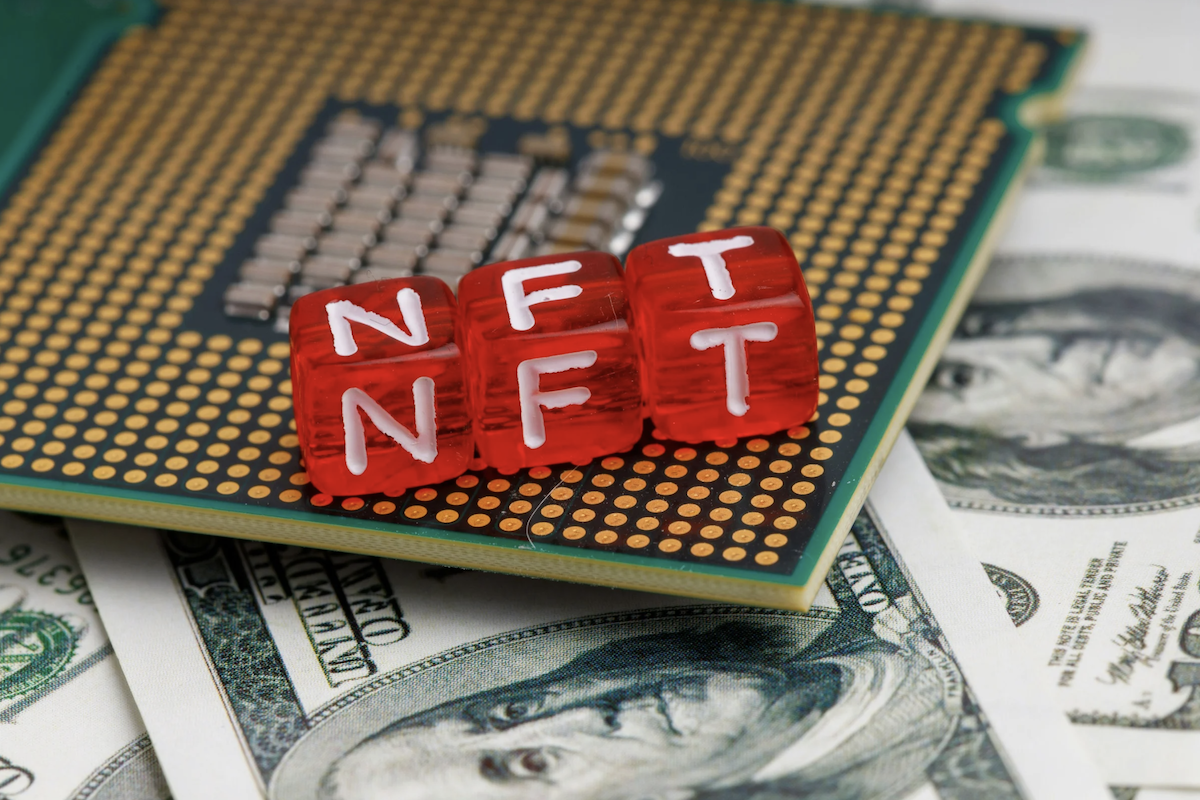
With its decentralized, community-led nature attracting many players, Web3 gaming has seen significant growth in recent years. The ownership of NFTs within the industry has also become an incentive for newcomers to try the next evolution of gaming.
At the same time, online casinos focused on delivering unbeatable entertainment have continued to evolve, becoming a massive global industry that attracts millions of players daily. These casinos set the tone for how play-to-earn (P2E) games should be utilized to offer entertainment and have become something of a model for P2E games within Web3 gaming.
While these NFT gaming platforms do not offer gambling, many have begun borrowing structures and features from online casinos. Most notable is the structure of their online incentives. From jackpot bonuses and tiered pools to reward multipliers, many of these incentives have found their way into blockchain projects.
Although these structures are borrowed, they offer distinct differences. Rewards through contribution, ownership, and shared governance operate very differently from systems that rely on wagers. These differences appear not only in how rewards are offered, but also in what NFT holders actually receive from these P2E games.
Same Structure, Different Results
Although P2E structures may appear to operate like online casinos, this resemblance is primarily in the excitement they create. However, NFT gaming ecosystems are fundamentally different from iGaming due to their underlying logic in three primary ways:
Jackpot Systems vs. Community Reward Pools
Potential jackpot winnings are one of the greatest incentives in iGaming. The ability to win a substantial amount of money drives players to not only play but keep playing. This same drive is used in NFT gaming ecosystems, where potential jackpots are offered to invite and encourage participation.
However, while the jackpot system may be the same in theory, the way it works varies greatly. In casino settings, progressive jackpot pools are funded by players, all of whom contribute to a central pool each time they place a wager. One player wins the pool, and the jackpot resets.
In NFT ecosystems, jackpot pools are still contributed to by all players. However, rather than staking money, these pools are built when players stake their tokens or NFTs into smart contracts. Although this still means the pool is funded by players, it holds significant differences.
Chief among these differences is transparency. Because every action is recorded on the public chain, each entry into the pool can be tracked and verified. This ensures there is no potential for skimming or manipulation and ensures everyone can see that the pool is correctly calculated.
In addition to transparency, the way players earn entries, who receives the rewards, and how these rewards are distributed also differs. While a casino jackpot is won by placing wagers and being lucky enough to get a winning combination, NFT gaming communities have completely reimagined this.
Instead, entries are earned by completing quests, gaining achievements, and participating in the game. These entries determine rewards during season drops or periodic reward offers, which distribute the pool to not just one winner but many players. Rewards granted are based on their engagement and the number of entries they hold.
Multipliers vs. Tiered Bonus Structures
Another major difference between iGaming and Web3 gaming comes from how multipliers are used. In online casinos, multipliers offer a quick, random way to boost winnings, often gatekept behind bonus rounds or special offers.
In NFT ecosystems, multipliers are not based on random offers or chance rewards. Instead, they are designed to consistently reward long-term commitment and contribution to the network. Rather than boosting wagers, NFT systems use the concept of multipliers for various equivalents.
One of the most common is staking multipliers, which boost stake yields. Others include gameplay buffs that grant access to premium loot or faster progression. Tiered systems also play a large role. Rare NFTs provide access to better benefits or boosts, while more common NFTs provide access to standard options.
Because of this, players can expect consistent rewards based on their participation rather than random boosts. They can also expect far greater transparency. This is because smart contracts power the reward logic and offer a safe, traceable, and stable way to ensure each player is rewarded fairly based on their contribution.
Operator Control vs. DAO Treasuries
The final major difference between iGaming and Web3 gaming lies in how the treasury is controlled. In casinos, the operator controls all funds received and decides how bonuses and offers are created, distributed, and funded. As such, welcome offers, even dubious ones like those with a $200 deposit bonus, are structured, funded, and fulfilled by the casino.
In contrast, NFT ecosystems use DAO (Decentralized Autonomous Organization) treasuries. These provide a framework where players can vote on how bonuses are created, offered, and delivered, and how additional funds are used. This leads to a community-led and collaborative approach compared to the singular approach offered by casinos.
Because of this, players can vote to use DAO treasuries to fund game expansions, seasonal token drops, contests, or to reward top contributors. In each case, it is the community that makes the decision, not a centralized operator.
Because of this difference, while the concept of central treasury management mirrors that of online casinos, the core mechanics are entirely different. Rewards are distributed based on contribution and ownership rather than luck or spending. Communities have a greater say in the ecosystems they help create and expand.
As with the other factors above, these systems offer total transparency due to traceable voting systems recorded on the blockchain and public access to the ledger, which confirms all transactions and rewards.
Conclusion
Although NFT ecosystems borrow heavily from online casinos to structure their rewards and incentives, what they offer is fundamentally different. Players of Web3 games can expect rewards that focus on ownership, participation, and transparency rather than the luck-based mechanics of gambling.
Through predictable in-game utility boosts, community-funded and governed pools, consistent staking rewards, and tiered systems driven by participation and contribution, NFT ecosystems have reimagined traditional iGaming structures. These systems now provide more meaningful rewards for long-term involvement and help players feel like active contributors rather than bystanders hoping for luck.