NFT Market Catalysts for 2026: Why the Next Cycle Will Look Very Different
NFTs may shift from hype to real use in 2026. Explore the key catalysts, risks, and trends shaping utility, gaming, RWAs, and adoption.
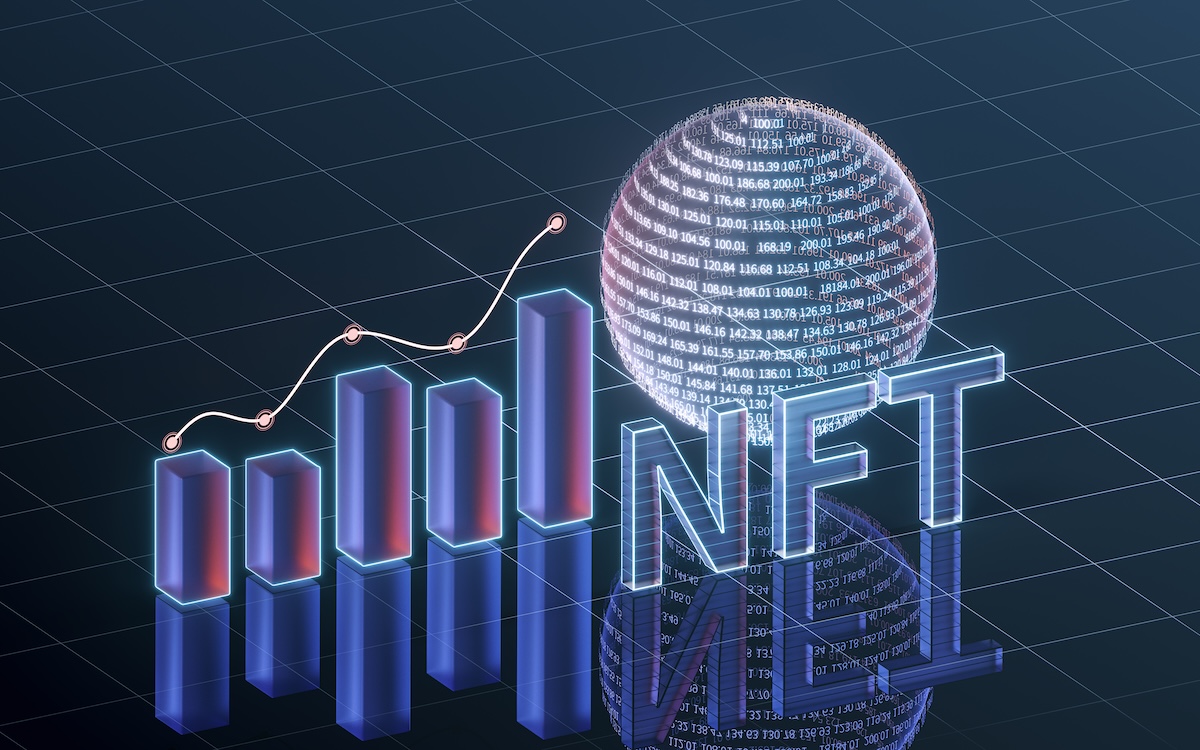
NFTs have changed a lot in recent years, moving past the hype and misunderstandings that once defined them.
After their rapid rise in 2021, NFTs became associated with speculation, overvalued images, missed expectations, and short-lived trends. By 2024 and 2025, trading volumes dropped to multi-year lows. Many people left, but a dedicated group stayed and kept building as mainstream interest declined.
This slowdown might have been needed. Markets often need to cool off before they mature. As 2026 approaches, NFTs are at a turning point, much like crypto was 10 years ago: many people know about them, but trust and understanding remain limited.
The main question is not whether NFTs will return to their previous highs, but whether they can become something lasting and meaningful.
What Meaningful NFT Adoption Actually Looks Like
NFT adoption is not about everyone trading collectibles or flipping assets for profit. In reality, it is much more ordinary.
Meaningful adoption shows up when:
NFTs act as access keys, not status symbols
Ownership has ongoing utility, not a resale pitch
Users interact with NFTs without thinking about blockchains
In practice, this might look like millions of wallets holding NFTs linked to games, memberships, tickets, or real-world assets. Brands could issue NFTs without calling them NFTs, and institutions might use them for recordkeeping, tracking origins, or settling transactions rather than for speculation.
This type of adoption usually starts slowly and then accelerates. Nasdaq’s adoption curve shows that technologies take off when they reach about 8 to 10 percent of the market. NFTs are not there yet, but they are closer than most headlines suggest.
Several catalysts could push them forward by 2026.
Utility NFTs
The first NFT boom didn’t last because most NFTs lacked real use.
That’s changing.
Utility NFTs focus on access, permissions, and benefits. When you own one, you can actually use it for something. Its value comes from what it allows you to do, not just its rarity.
Examples already exist:
Event tickets that prevent counterfeiting and control resale
Membership NFTs that replace logins and subscriptions
Loyalty NFTs that evolve from points into tradable rewards
Large consumer brands are already trying out these ideas, often without much notice from crypto media. Starbucks’ early digital collectibles were an example of this trend. By 2026, these assets are expected to be more flexible, easier to transfer, and better integrated with everyday systems.
Analysts believe utility NFTs will become a major part of NFT activity as speculation decreases. The main risk is whether projects can keep their promises. Now, users expect projects to deliver, which was not always true in the past.
Blockchain Gaming
Gamers are already familiar with digital ownership. It is a regular part of gaming.
Players spend billions each year on in-game items they do not truly own. NFTs offer a new way, allowing assets to last beyond a single game or platform.
Early play-to-earn games failed because they focused on earning money rather than being enjoyable. Newer games prioritise gameplay, with ownership as a secondary feature.
By 2026:
Several AAA and AA studios are expected to launch NFT-enabled titles
Solana’s low fees support real-time asset trading
Ecosystems like Immutable and Ronin focus on sustainable economies
The best NFT games do not highlight NFTs in their marketing. Instead, they include them quietly. Players care about their items, progress, and identity, with ownership being just one feature among many.
There is still regulatory pressure, especially regarding gambling mechanics. Studios are responding by creating systems that focus on skill and scarcity instead of chance.
Metaverse Assets
The metaverse narrative burned hot and fast. What remains is quieter and more useful.
Persistent virtual spaces already host concerts, communities, and commerce. NFTs serve as the ownership layer for:
Avatars
Virtual land
Digital goods
Platforms like Roblox show that virtual economies can succeed without making big promises. Companies now focus more on keeping users engaged than on adding flashy features.
By 2026, improved interoperability will allow assets to move between different platforms. This flexibility helps NFTs remain valuable over time. Analysts believe metaverse NFTs could make up a large share of NFT sales, driven more by social uses than speculation.
Hardware adoption and platform fragmentation still limit growth. Progress continues, just slower and steadier than early forecasts suggested.
AI and the Rise of Adaptive NFTs
AI adds a new dimension to NFTs by allowing them to change over time.
Now, NFTs can change based on how people interact with them, data, or their environment, instead of always staying the same. Some early examples include:
Generative art that shifts with owner behavior
AI-driven characters that learn from conversations
Automated systems that manage royalties or permissions
Platforms experimenting with smart NFTs are focusing on creativity rather than just trading. By 2026, improved tools should make it easier for creators without technical backgrounds.
Marketplaces also benefit. AI helps users find assets that match their interests, rather than just following trends or what is popular on social media.
There are still concerns about authorship, bias, and energy use. As AI-native NFTs become more common, transparency is increasingly important.
Real-World Assets
NFTs gain credibility when they represent assets people already understand.
Turning real-world assets such as art, real estate shares, or luxury goods into NFTs connects digital ownership to real value. NFTs are effective here because they clearly track asset origins and ownership.
Platforms operating within legal frameworks already support these models. Institutions care about:
Liquidity
Transparency
Compliance
Some estimates suggest that trillions of dollars in assets could be moved onto blockchains over the next decade, with NFTs helping unlock assets that are hard to trade. Growth depends heavily on clear regulations, but pilot programs are still expanding.
This area appeals more to mainstream investors than crypto-native traders, which broadens the audience rather than recycling it.
Return of Institutional Capital
Unclear rules kept many institutions away from NFTs. That’s slowly changing.
Guidance after 2025 clarifies classifications and reduces uncertainty about enforcement. Institutions do not pursue collectibles; they invest through structured products.
Possible developments include:
NFT indices
Managed exposure vehicles
Institutional-grade custody
Even small allocations could add significant liquidity. Regulation also helps reduce wash trading and extreme volatility. The trade-off is slower experimentation, but greater predictability attracts more capital.
Brand Adoption
Brands learned some tough lessons from their first NFT campaigns.
By 2026, enterprise use focuses on function:
Authentication
Supply chain tracking
Persistent loyalty systems
NFTs operate behind the scenes. Consumers may never see the term. Deloitte estimates a significant share of major brands will integrate NFTs in some capacity.
Scarcity and relevance determine success. Mass drops without purpose fade quickly.
Infrastructure That Lowers the Barrier
Technology alone doesn’t drive adoption. People need to feel comfortable using it.
Key improvements include:
Gasless transactions
Wallets that feel like mainstream apps
Cross-chain interactions without visible complexity
Ethereum Layer-2s and Solana continue competing rather than replacing each other. Fees fall. Onboarding improves. Mobile use increases.
Security is still a concern, especially with bridges. People prefer simpler systems.
Closing Thoughts
NFTs do not need another boom to succeed. They need to be integrated into everyday life.
By 2026, growth favors:
Assets with clear utility
Systems that blend into daily use
Markets that reward patience over hype
Mass adoption often starts slowly and then happens quickly. Progress in gaming, infrastructure, real-world assets, and institutional use shows that NFTs are moving closer to this stage.