World ID Brings Privacy-Preserving Human Verification to Robots Through peaqOS
World ID and peaqOS let robots verify real, unique humans with zero-knowledge proofs, reducing the need to collect or store personal identity data.
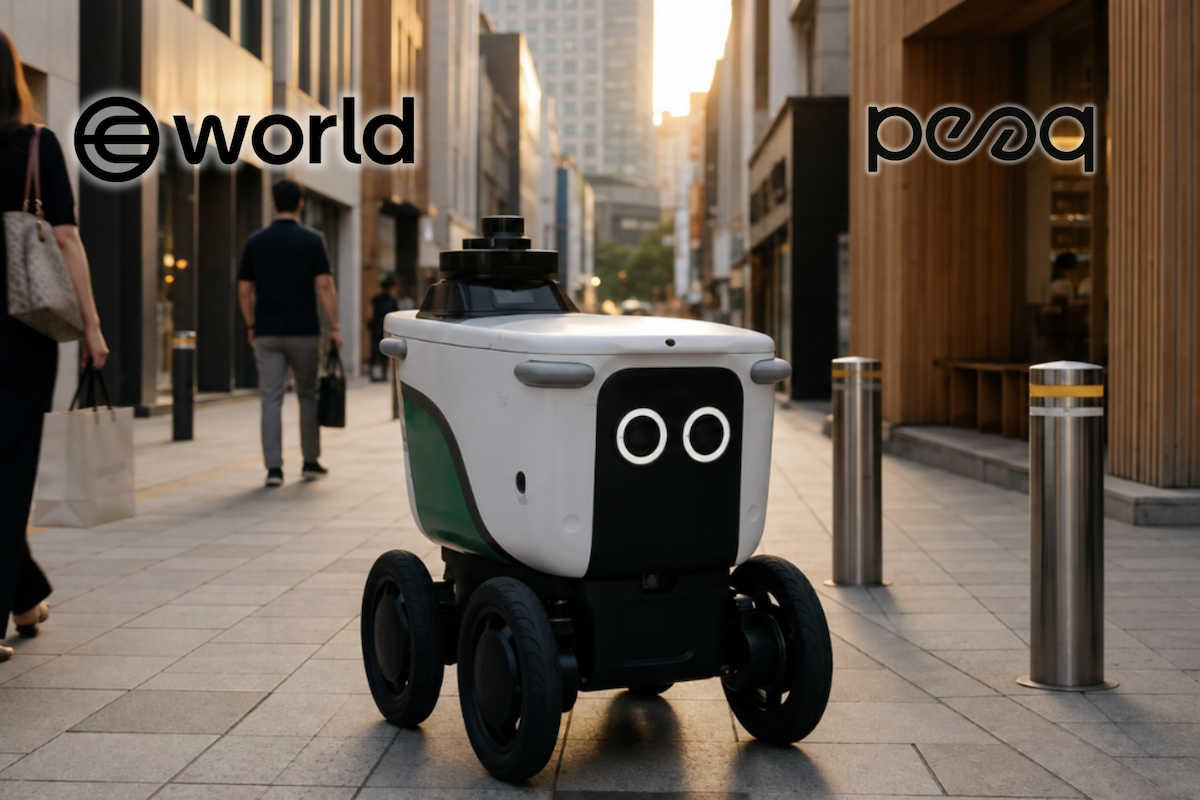
World ID has integrated with peaqOS, allowing robots and autonomous machines to verify that they’re interacting with real, unique humans. The system uses zero-knowledge proofs, so machines can complete these checks without receiving a person’s name, face, or other identifying information.
Key Takeaways
World ID is now available to robots and machines running peaqOS.
Machines can verify proof of human without collecting personal identity data.
The integration uses zero-knowledge proofs through World App.
Potential uses include autonomous deliveries, shared machines, and one-per-person services.
World ID verification is available through robotic.sh without API keys or per-verification charges.
World ID Gives Machines a Way to Verify Humans
Machines running peaqOS can now request and verify World ID proofs directly as part of an interaction with a person. In some workflows, they can also establish that the human completing an action is the same person who started it.
Importantly, that doesn’t mean the robot learns who the person is. World ID uses zero-knowledge proofs to confirm information such as humanity or uniqueness while keeping the underlying identity private.
peaqOS provides the coordination layer for the process. Machines can use peaq decentralized identifiers for their own identity, discover the World ID service through the Machine Market, and coordinate verification from the initial request through to the result.
The process can also create a verifiable record that the check occurred, while keeping the proof metadata redacted.
Why Autonomous Machines May Need Proof of Human
Autonomous systems increasingly deal with people without a human operator present. That creates a practical problem when a robot needs to know whether someone is a genuine user or whether the correct person is completing an interaction.
Existing approaches often rely on accounts, PINs, pickup codes, or identity documents. Codes can be transferred or stolen, while identity checks may require companies to collect information they otherwise wouldn’t need.
World ID takes a different approach. The machine receives proof that a condition has been met rather than receiving the person’s underlying identity.
Medication Delivery Shows How It Could Work
One demonstration outlined by World ID and peaqOS involves autonomous medication delivery.
A patient first verifies through World App before an order is accepted. The pharmacy can then perform another verification before medication is placed inside the robot and its compartment is sealed.
At delivery, the patient verifies again. The system can establish that the recipient corresponds to the same human involved earlier in the process before allowing the compartment to open, without giving the robot the patient’s name.
Proof of Human Could Extend Beyond Deliveries
The integration can also verify uniqueness when a person’s actual identity isn’t important. A promotional robot, for example, could enforce a one-item-per-human limit without maintaining a database of recipients.
Shared robots and other machines could use a similar model instead of requiring every user to create an account.
World ID is now available through robotic.sh for machines running peaqOS. The integration gives autonomous systems another way to establish that a human is present while limiting how much personal information they need to collect or retain.