Could NFT Feature More Heavily in eGames in 2026?
NFTs are reshaping eGames with real ownership, play-to-earn models, and blockchain-powered competition—driving the future of gaming and digital economies.
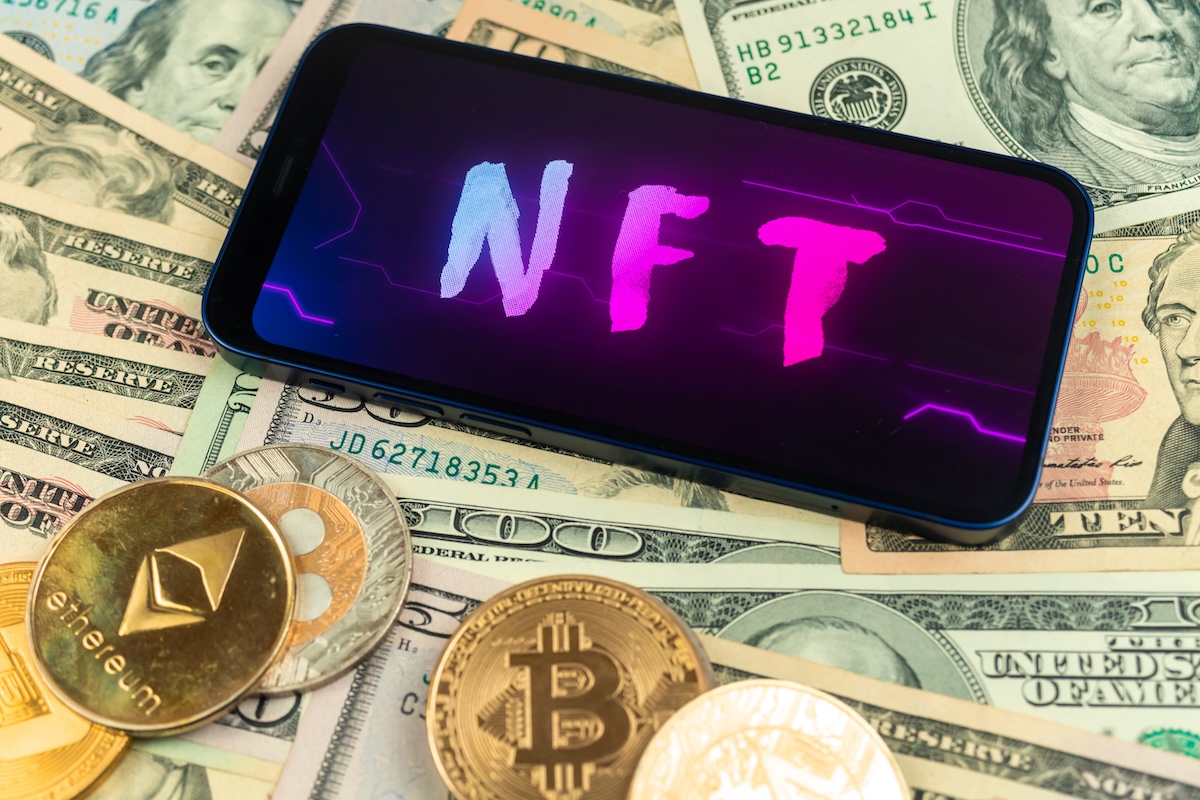
In recent years, non-fungible tokens (NFTs) have rapidly evolved from digital collectibles into a transformative force in the gaming industry. Nowhere is this shift more evident than in NFT gaming—a market poised for extraordinary growth.
According to recent projections, the NFT Gaming Market is expected to reach a staggering $540 billion by 2025 and double to $1.08 trillion by 2030, growing at a compound annual growth rate (CAGR) of 14.84%. One gaming sector increasingly aligned with this momentum is the eGames market, where competitive gameplay, digital economies, and immersive experiences are already thriving. The convergence of NFTs and eGames may redefine how players interact, earn, and own within virtual gaming spaces.
The Current eGames Market: A Hotbed of Investment and Innovation
The eGames market—comprising competitive digital games and esports platforms—has experienced explosive growth, attracting major investments from some of the world’s leading casino operators. These establishments see eGames as a future-proof avenue to reach younger, digitally-native audiences who are less interested in traditional gaming tables and more engaged with dynamic, competitive digital games.
Casinos like those operated by Bloomberry Resorts, particularly the renowned Solaire Resort & Casino in Asia, have embraced the eGames trend. Solaire has invested significantly in state-of-the-art digital gaming lounges, complete with tournament-ready setups, streaming capabilities, and partnerships with major esports brands. Their approach to integrating eGames alongside traditional casino options signals a broader shift—one that is highly compatible with the integration of NFTs. Solaire’s eGames offers, and these games naturally lend themselves to NFT integration by offering rare, tradable in-game items, unique skins, or verifiable digital assets that can enhance player engagement and retention. As platforms like Solaire demonstrate, the infrastructure and consumer appetite are already in place—making the leap to NFTs a logical next step.
Technologies Driving NFT Adoption in eGames
Several emerging technologies are enabling the seamless incorporation of NFTs into eGames, adding new layers of utility, security, and player ownership. Here are three pivotal technologies shaping this evolution:
1. Web3 Games and Decentralized Platforms
Web3 technology is at the heart of NFT gaming. Built on decentralized blockchains, Web3 games allow players to truly own their in-game assets, unlike traditional games where the publisher retains control. In 2025, several Web3 games have gained serious traction—such as Big Time, Illuvium, Champions Ascension, and Shrapnel—offering high-quality gameplay with full NFT integration.
These games highlight what’s possible when NFTs are treated as core game elements rather than afterthoughts. For eGames, this model opens the door for competitive players to win unique NFT trophies, trade exclusive skins, or even monetize their gameplay in new and secure ways.
2. Smart Contracts and Blockchain-Based Economy
Smart contracts automate the creation, exchange, and tracking of NFTs in real-time. In eGames, smart contracts can be used to facilitate provably fair gameplay, reward systems, and tournament payouts. For example, an esports tournament could automatically mint unique NFT medals for winners, distribute prize pools securely, and log all player stats immutably on the blockchain. This enhances trust, transparency, and security—critical for competitive environments.
3. Cross-Platform NFT Wallets and Interoperability
Another key enabler is the rise of user-friendly, cross-platform NFT Wallets. These allow players to store, trade, and use their NFTs across multiple games and ecosystems. In the eGames context, a player might earn an NFT weapon in one game and carry it into another, provided both games are built on interoperable blockchain standards. This flexibility not only enhances user experience but also creates a more interconnected digital economy—one that casino-backed eGames platforms can tap into.
The Future of NFTs in eGames: 2026 and Beyond
As we move into 2026, the synergy between NFTs and eGames is expected to deepen across several key dimensions:
• Increased Customization & Ownership: Players will be able to own unique digital avatars, skins, weapons, and virtual real estate—all represented as NFTs. This ownership extends beyond mere cosmetics, with NFTs often impacting gameplay or serving as badges of achievement.
• Play-to-Earn (P2E) and Competitive Monetization: With eGames already centered around skill-based competition, NFTs offer a new revenue layer. Players can earn NFTs through gameplay, trade them on secondary markets, or stake them for rewards—creating a sustainable loop of engagement and income.
• Tokenized Tournament Ecosystems: Major eSports and eGames events may introduce NFT ticketing, VIP access passes, or digital collectibles linked to specific tournaments. These NFTs could provide access to exclusive content, limited-edition in-game items, or even voting rights in community decisions.
• Casino Integration and Regulation: As eGames expand within casino environments, NFT elements will likely come under more formal regulation. However, this could further legitimize NFT use in gaming, bringing stronger consumer protections, licensing standards, and mainstream adoption.
Conclusion
NFTs are not just a buzzword in the gaming industry—they’re quickly becoming foundational to the next era of digital play. With the NFT gaming market on track to hit $1.08 trillion by 2030, and the eGames sector attracting massive investment and interest, the convergence of these two worlds appears inevitable. Through Web3 platforms, smart contracts, and interoperable economies, NFTs are poised to enhance the eGames experience with real ownership, player-driven economies, and decentralized competition.
By 2026, it’s highly likely that NFTs will feature far more heavily in eGames—offering players not just the thrill of the game, but true ownership of the digital assets they earn and cherish. For more of the latest tech trends, do check out our Gaming page.