A Step-by-Step Guide to NFT Fundraising for Crypto Projects
Learn how NFTs can transform your crypto project's fundraising strategy. Explore best practices, community-building tips, and regulatory considerations to ensure a successful NFT launch.

Have you ever wondered if there’s a fresh way to raise money for your blockchain idea? NFTs might be the answer. In this guide, we’ll walk through how NFT fundraising works, why it’s different from traditional methods, and how an Ethereum Layer 2 project managed to pull in $22 million using NFTs. We’ll keep it simple so you can follow along even if you’re new to the crypto space.
Overview of NFT Fundraising
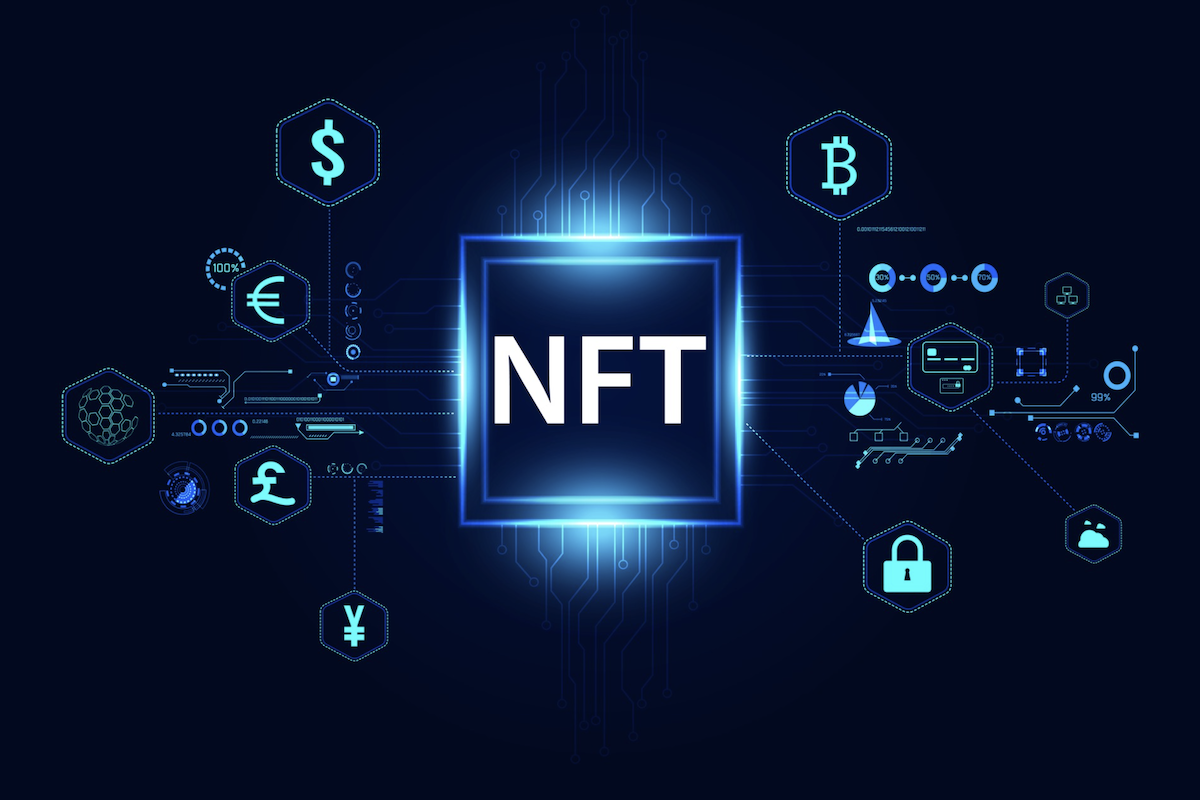
NFT fundraising lets blockchain startups sell unique digital assets to supporters who want more than just a typical investment. Since each NFT can represent something one-of-a-kind—like special access, collectibles, or membership perks—this method often sparks stronger community engagement than standard crowdfunding. Plus, NFTs allow for digital scarcity, which means there are only so many tokens out there, adding an element of exclusivity.
Compared to traditional fundraising, NFTs help you:
- Build deeper bonds with your community.
- Tap into the power of digital collectibles and programmable royalties.
- Bring in funds without giving away equity in your startup.
To show you what’s possible, we’ll touch on an Ethereum Layer 2 project that raised a whopping $22 million from its NFT sale. The project’s success wasn’t an accident—it took proper planning, marketing, and community trust to make it happen.
Understanding the Basics of NFT-Based Fundraising
In the early days of crypto, Initial Coin Offerings (ICOs) were the way to go. People would buy tokens hoping they would rise in value as the project grew. But as time went on, regulations got tighter and investor habits changed.
NFT drops focus more on the unique qualities of each token, like artwork or membership perks. This appeals to collectors and fans rather than just speculators. It can also bypass some regulatory hurdles—though you should always check local laws to be compliant.
Before Launching Your NFT Fundraise
Before you jump in, ask yourself:
- What special benefits will my NFTs provide? (Governance rights, membership access, collector’s items, etc.)
- How do these perks fit into my project’s bigger picture?
Make sure your tokenomics (your project’s plan for issuing and managing tokens) aligns with what your NFT holders can expect. That way, everything feels connected to your overall project roadmap.
Understand Local Regulations Early
Crypto fundraising can be complicated, especially when it comes to laws around KYC (Know Your Customer), AML (Anti-Money Laundering), and securities rules. Consulting a lawyer from the start can save you headaches later. They’ll help you figure out if your NFTs might be considered securities in your jurisdiction and how to manage any compliance issues.
Community Building and Pre-Sale Hype
It’s tough to sell NFTs if nobody knows who you are. Build excitement by:
- Opening a Discord or Telegram group to keep people informed.
- Sharing sneak peeks on social media or exclusive “behind-the-scenes” updates.
- Asking early supporters for feedback.
By the time you’re ready to launch, your audience will already feel like part of the team.
The Case Study: Ethereum Layer 2 Raises $22 Million Through NFTs
SOON (short for Solana Optimistic Network) set out to tackle Ethereum’s scalability challenges. It functions as an Ethereum Layer 2 (L2) solution by processing transactions off Ethereum’s main chain and then finalizing them on Ethereum to reduce fees and congestion. However, SOON doesn’t stop at typical L2 functionality. It uses the Solana Virtual Machine (SVM)—a powerful piece of software that handles smart contracts, designed originally for the Solana network. By integrating SVM, SOON claims to process blocks in around 50 milliseconds, even faster than Solana itself.
SOON introduced an NFT collection called “COMMing SOON.” Unlike purely artistic NFTs, these served as a form of early stake in the project:
- Equal Deal Terms: Both large venture capital firms and individual buyers got the same terms.
- Token Rewards: The NFTs connect to SOON’s broader tokenomics, granting holders benefits like governance rights and potential token allocations in the future.
By combining the excitement of NFTs with a fair distribution model, SOON earned $22 million for its Ethereum Layer 2 rollout—all while fostering goodwill. Many in the community praised the project for avoiding the usual “insider-only” deals.
Step-by-Step Guide to Launching Your NFT Fundraiser
Step 1: Plan Your NFT Concept and Utility
- Choose Your NFT Type: Will they be collectibles, memberships, governance tokens, or access passes?
- Map Out Perks: Prioritize voting rights, profit-sharing, or exclusive online events. Make it worth people’s while to hold your NFTs.
Step 2: Smart Contract Development and Auditing
- Hire Security Experts: Make sure your smart contract doesn’t have loopholes.
- Use Trusted Standards: Consider frameworks like OpenZeppelin (an open-source library for secure smart contracts) and tokens built on ERC-721 or ERC-1155 standards.
Having a secure contract makes buyers feel safer about investing.
Step 3: Marketing and Community Outreach
- Tell Your Story: What’s unique about your project? Communicate that loudly on social media, Discord, Telegram, and anywhere crypto folks hang out.
- Sneak Peeks and Whitelists: Offer glimpses of your NFT artwork or membership benefits. Whitelist a few early fans so they can mint first and spread the word.
Step 4: The NFT Sale (or Drop)
- Pick a Launch Model: Public sale, whitelist-only, Dutch auction, bonding curves—each model has pros and cons.
- Set Rules: Let everyone know the mint date, price, and how many NFTs they can buy. This keeps the sale fair and avoids chaos.
Step 5: Post-Sale Engagement and Growth
- Keep Providing Value: Offer airdrops, staking opportunities, or special events to keep your community interested.
- Expand Your Ecosystem: Consider future NFT drops or team up with other projects to give your holders even more benefits.
Potential Challenges and How to Address Them
Cryptocurrency prices swing like crazy. If your main token is down in value, it might affect how people view your NFTs. Some projects:
- Price in Stablecoins (like USDT or USDC) to avoid major price fluctuation.
- Offer Flexible Sale Models that adjust in real-time.
These days, NFT competition is fierce. Make sure you have:
- Real Utility: People should see how your NFT benefits them long-term.
- A Compelling Brand Story: Show them why your project matters.
- Consistent Engagement: Keep the conversation going in your community channels.
If newcomers can’t figure out wallets or get stuck with high gas fees, they’ll likely give up. Provide:
- Guides on setting up wallets (like MetaMask).
- Tips for optimizing gas fees or waiting for lower network congestion.
Future Outlook: NFTs as a Sustainable Funding Model
Fractional NFTs (where multiple people own a piece of one NFT), dynamic NFTs (which can evolve over time), and DAO-based models (community-driven organizations) are becoming more popular. These innovations can open up new ways to crowdfund.
Remember, NFTs can be used as collateral in DeFi (Decentralized Finance) to earn staking rewards or yield farming profits. So your NFTs can gain value after the initial sale.
Final Thoughts
By now, you should have a solid roadmap for running your own NFT fundraiser. From planning your NFT’s utility to building a loyal community, every step is crucial. And as we saw with the Ethereum Layer 2 case study, a well-executed NFT sale can raise significant funds while boosting your project’s visibility.
If you’re ready to explore crypto crowdfunding through NFTs, keep these key points in mind:
- Plan your concept and perks in detail.
- Secure your smart contracts.
- Market to the right audience with a strong story.
- Offer real value beyond the hype.
- Stay on top of regulations.
Remember to stay active in Discord, Telegram, and other forums where NFT enthusiasts gather. Follow reputable thought leaders, and keep an eye on evolving crypto regulations to ensure your campaign runs smoothly. With the right mix of innovation, storytelling, and community spirit, your next big fundraising milestone could be just around the corner.
Good luck with your NFT fundraising journey, and welcome to a bold new era of blockchain innovation!